What you need to know about electric vehicles (EVs)

Elektrische voertuigen worden steeds populairder, maar als je er nog niet bekend mee bent, kan het wat verwarrend zijn. Hier vindt je een overzicht van de belangrijkste punten waar je op moet letten bij het overwegen van de aankoop van een elektrische auto.

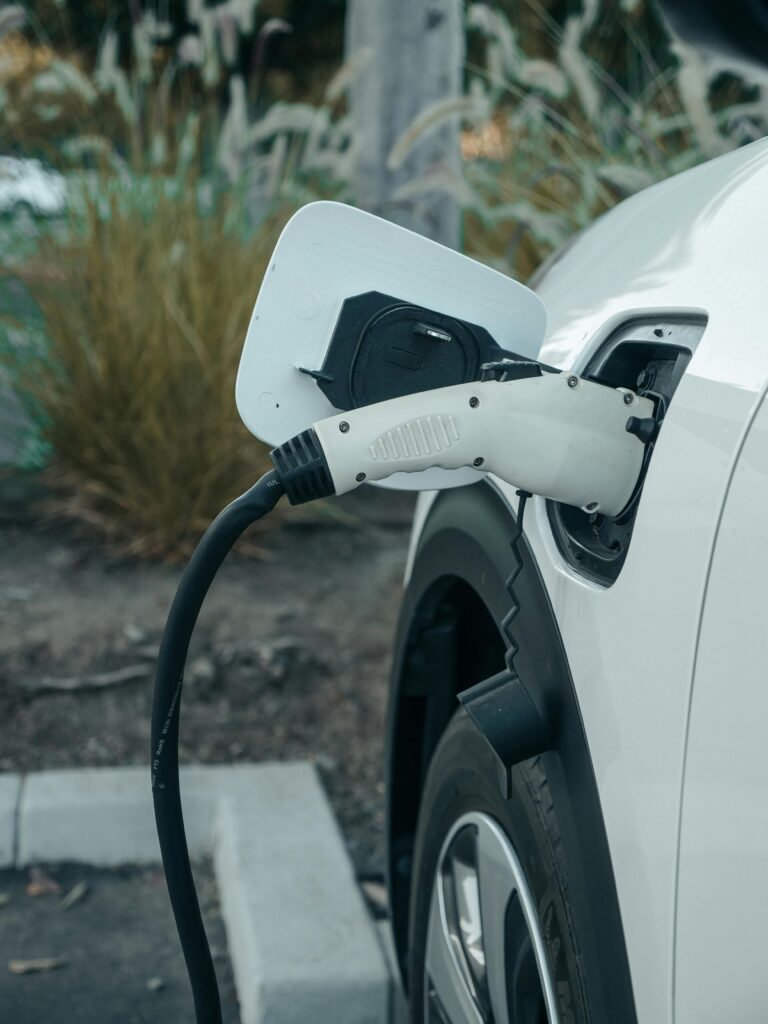
An electric car is powered by an electric motor instead of a combustion engine that runs on petrol or diesel. The energy that powers the car comes from a battery that has to be charged via a charging station.

When choosing an electric car, there are a few crucial things to keep in mind:

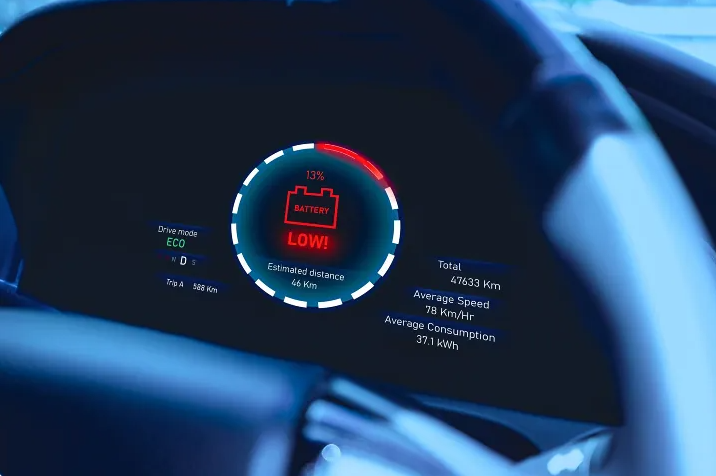
  • Range: This is the number of kilometers you can drive on a full charge. Range varies by model. Some models can drive more than 400 km on a charge, while others are closer to 200 km. Ask yourself how often you drive long distances to determine what you need.
  • Loading time: This is the time it takes to charge the battery. There are different ways to charge: via a regular wall socket (slow), a fast charger (fast), or a charging station at home or at work. Take into account how much time you have to charge the car and the availability of charging stations in your area.
  • Availability of charging points: The network of public charging stations is growing rapidly, but it is important to know whether you can easily charge in your area. Also check whether you have the possibility to install a charging point at home or at work.

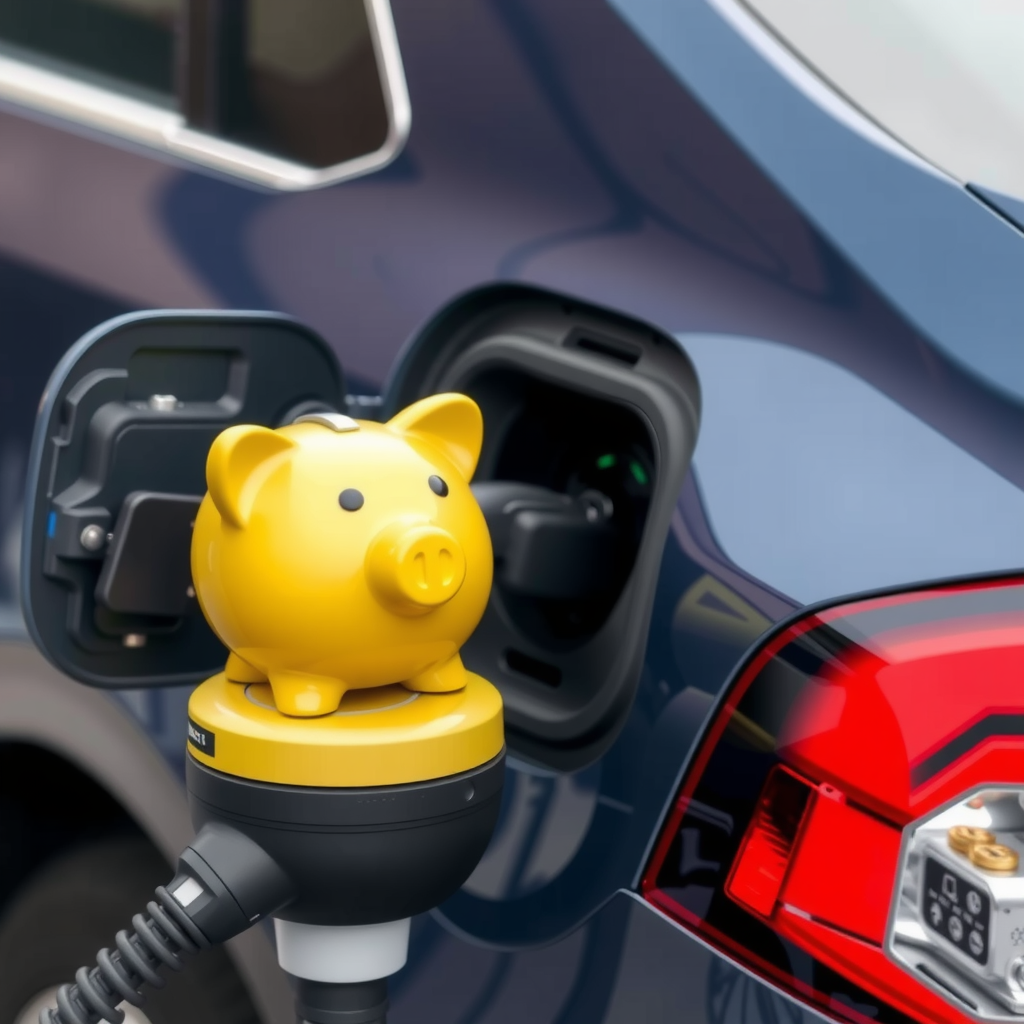
Buying an electric car is often more expensive than a comparable car on fuel. However, you can save on fuel costs, maintenance (electric cars have fewer moving parts) and there are often subsidies and tax benefits available. In the Netherlands, for example, you can use the subsidy scheme for electric vehicles, which can reduce the cost of purchasing.

One of the biggest advantages of an electric car is the lower CO2 emissions compared to cars that run on fossil fuels. Although the production of batteries is not without environmental impact, electric cars are seen as a greener option, especially when they are charged with renewable energy sources.

Electric cars offer a smooth and quiet driving experience. They have instant acceleration, because the electric motor delivers torque immediately. This makes driving more dynamic and often more enjoyable for many drivers.

In a petrol car you have a fuel tank, and consumption is measured in litres per 100 kilometres (L/100 km) or kilometres per litre (km/L). With electric cars this works a little differently, but the principle remains the same: you have a battery instead of a fuel tank, and consumption is measured in kilowatt hour per kilometer (kWh/km).

How does an electric car battery work?

An electric car has a battery that stores power, just like a phone or laptop. The size of this battery is expressed in kilowatt hour (kWh). This number indicates how much energy the battery can store. A car with a larger battery can generally drive further on a single charge, just as a larger fuel tank in a gasoline car can deliver more kilometers.

For example, if an electric car has a 50 kWh battery and consumption is 0.20 kWh per kilometer, then with a full battery you can about 250 kilometers driving (50 kWh / 0.20 kWh/km = 250 km).

Consumption of electric cars

Just as you look at the consumption in liters of a petrol car, you can look at how much energy an electric car consumes per kilometer, expressed in kWh per 100 kilometers (kWh/100 km) or kWh per kilometer (kWh/km). Lower consumption means that the car is more efficient, just as a car that uses less fuel per kilometer is more economical.

On average, electric cars consume between 0.15 and 0.25 kWh per kilometer, depending on the model, speed, road type and driving conditions.

Charging instead of refueling

With a petrol car, you fill up at the pump and pay for the number of litres of fuel. With an electric car, you charge the battery via a charging point and pay for the number of kilowatt hours (kWh) that you charge. The price per kWh varies depending on where you charge (at home, public or fast charging stations).

In summary:

  • Petrol car: Fuel tank (litres) and consumption in litres per 100 km.
  • Electric car: Battery (kWh) and consumption in kWh per km.

Electric cars are generally cheaper per kilometer due to the lower energy price per kWh compared to the price of gasoline or diesel.

Electric vehicles are the future of driving, but it’s important to consider the right features before buying one. Think about range, charging time, cost, availability of charging points, and of course your personal driving needs. Driving electric can not only be good for the environment, but can also save you money in the long run.